
Enhancing Energy Efficiency with Smart Building Technologies
- The Building Intelligence Auditor

- Feb 27
- 4 min read
In an era where sustainability is more than just a buzzword, the need for energy efficiency in buildings has never been more critical. With the global population rising and urban areas expanding, the demand for energy continues to soar. Smart building technologies offer a solution to this challenge, enabling us to optimize energy consumption while enhancing comfort and productivity. This blog post delves into how these technologies can transform our buildings into energy-efficient spaces.

Understanding Smart Building Technologies
Smart building technologies encompass a range of systems and solutions designed to improve the operational efficiency of buildings. These technologies utilize sensors, automation, and data analytics to monitor and control various building functions, including heating, ventilation, air conditioning (HVAC), lighting, and security.
Key Components of Smart Buildings
Sensors and IoT Devices
Sensors collect real-time data on temperature, occupancy, and energy usage. Internet of Things (IoT) devices connect these sensors to a centralized system, allowing for seamless communication and control.
Building Management Systems (BMS)
A BMS integrates various building systems, enabling centralized control and monitoring. This system can optimize energy usage by adjusting HVAC settings based on occupancy levels or outdoor weather conditions.
Energy Management Systems (EMS)
EMS focuses specifically on energy consumption, providing insights into usage patterns and identifying areas for improvement. These systems can help reduce energy waste and lower utility costs.
Smart Lighting
Smart lighting systems adjust brightness based on natural light levels and occupancy, ensuring that energy is not wasted in unoccupied spaces.
Renewable Energy Integration
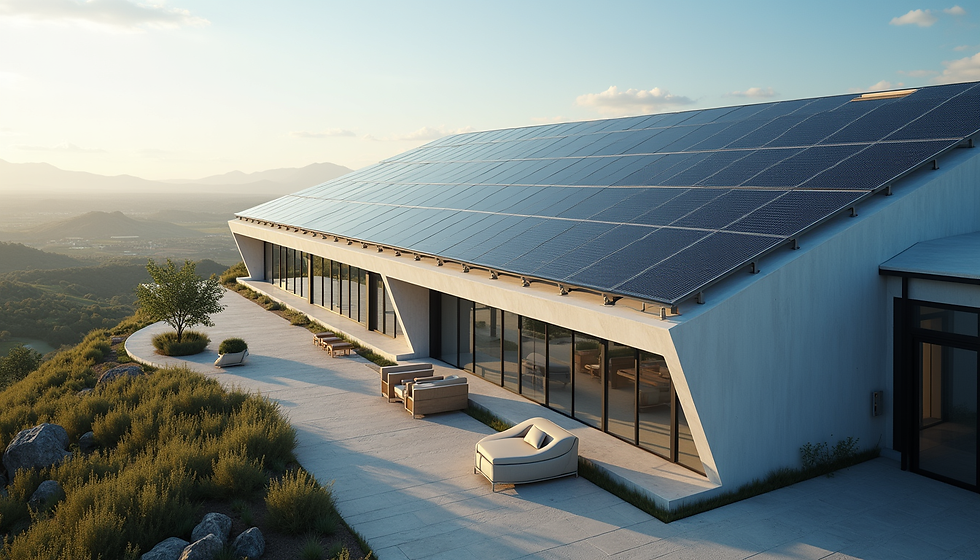
Many smart buildings incorporate renewable energy sources, such as solar panels or wind turbines, to reduce reliance on fossil fuels and lower carbon emissions.
The Benefits of Smart Building Technologies
Implementing smart building technologies can lead to significant benefits, including:
Enhanced Energy Efficiency
Smart buildings can reduce energy consumption by up to 30% through optimized HVAC systems, smart lighting, and real-time monitoring. For example, a study by the U.S. Department of Energy found that buildings equipped with smart technologies saved an average of 20% on energy costs.
Improved Occupant Comfort
By adjusting temperature and lighting based on occupancy and preferences, smart buildings create a more comfortable environment for occupants. This can lead to increased productivity and satisfaction among employees.
Cost Savings
Lower energy consumption translates to reduced utility bills. Additionally, smart technologies can minimize maintenance costs by identifying issues before they escalate into costly repairs.
Environmental Impact
By reducing energy consumption and integrating renewable energy sources, smart buildings contribute to lower carbon emissions. This aligns with global sustainability goals and helps combat climate change.
Real-World Examples of Smart Building Technologies
The Edge, Amsterdam
The Edge is often cited as one of the smartest buildings in the world. Equipped with over 28,000 sensors, it monitors everything from energy usage to employee movements. The building's design incorporates natural light and smart shading systems, resulting in a 70% reduction in energy consumption compared to traditional office buildings.
Bosco Verticale, Milan
Bosco Verticale, or "Vertical Forest," is a pair of residential towers that integrate smart technologies with green architecture. The buildings feature automated irrigation systems for the plants that cover their facades, reducing water usage while enhancing air quality. The energy-efficient design has led to a significant decrease in energy consumption.
One World Trade Center, New York
One World Trade Center employs advanced building management systems to optimize energy usage. The building's smart lighting adjusts based on occupancy, and its HVAC systems are designed to respond to real-time data, ensuring efficient energy consumption.
Challenges in Implementing Smart Building Technologies
While the benefits of smart building technologies are clear, several challenges can hinder their implementation:
High Initial Costs
The upfront investment for smart technologies can be significant. However, many building owners find that the long-term savings on energy bills and maintenance costs justify the initial expenditure.
Integration with Existing Systems
Many buildings have legacy systems that may not easily integrate with new smart technologies. Upgrading these systems can be complex and costly, requiring careful planning and execution.
Data Privacy Concerns
With the increased use of sensors and data collection comes the potential for privacy issues. Building owners must ensure that data is collected and stored securely to protect occupant privacy.
The Future of Smart Building Technologies
As technology continues to evolve, the future of smart buildings looks promising. Innovations in artificial intelligence and machine learning will enable even greater automation and efficiency. For instance, predictive analytics can forecast energy needs based on historical data, allowing for proactive adjustments to building systems.
The Role of Government and Policy
Government policies play a crucial role in promoting energy efficiency in buildings. Incentives for adopting smart technologies, such as tax credits or grants, can encourage building owners to invest in these solutions. Additionally, regulations mandating energy efficiency standards can drive widespread adoption.
The Importance of Education and Awareness
Raising awareness about the benefits of smart building technologies is essential for their adoption. Educational programs targeting building owners, architects, and facility managers can help demystify these technologies and highlight their potential.
Conclusion
Smart building technologies represent a significant opportunity to enhance energy efficiency and create sustainable environments. By leveraging sensors, automation, and data analytics, we can optimize energy consumption, improve occupant comfort, and reduce environmental impact. As we move towards a more sustainable future, embracing these technologies will be crucial in addressing the challenges of energy consumption in our buildings.
The journey towards smarter, more energy-efficient buildings is just beginning. By investing in these technologies and fostering a culture of sustainability, we can create a better future for ourselves and generations to come.

Comments